The Daily Vessel: Why What You Drink From Truly Matters
Every single day, the average health-conscious adult consumes between 2 to 3 liters of water, along with hot teas, espresso brews, and nutrient-rich smoothies. Yet while significant attention is paid to water filtration and organic ingredients, the vessel holding that liquid is frequently overlooked.
Modern consumers are increasingly ditching cheap disposable plastics in favor of sustainable, reusable bottles. However, navigating the differences between soda-lime glass, medical-grade borosilicate glass, stainless steel, and BPA-free plastics can be bewildering. In this deep dive, we explore the physical properties, health advantages, and daily user experience of each material.
What Is Borosilicate Glass?
Standard glassware found in typical kitchen tumblers is composed of soda-lime glass (silica, soda, and lime). While inexpensive, soda-lime glass has a relatively high thermal expansion coefficient. When exposed to boiling water or rapid temperature swings, different sections of the glass expand unevenly, causing internal stress fractures and shattering—a phenomenon known as thermal shock.
Borosilicate glass, in contrast, was originally formulated for laboratory test tubes and industrial telescopes by adding boron trioxide (at least 5% to 15%) to the molten silica. The incorporation of boron fundamentally changes the crystal lattice, lowering the thermal expansion coefficient by more than 60%. As a result:
- Extreme Temperature Resilience: You can pour boiling water (100°C) directly into a borosilicate vessel straight from a freezing refrigerator without cracking.
- Enhanced Tensile Strength: Despite feeling lightweight and delicate, borosilicate glass is denser and more scratch-resistant than standard soda-lime glass.
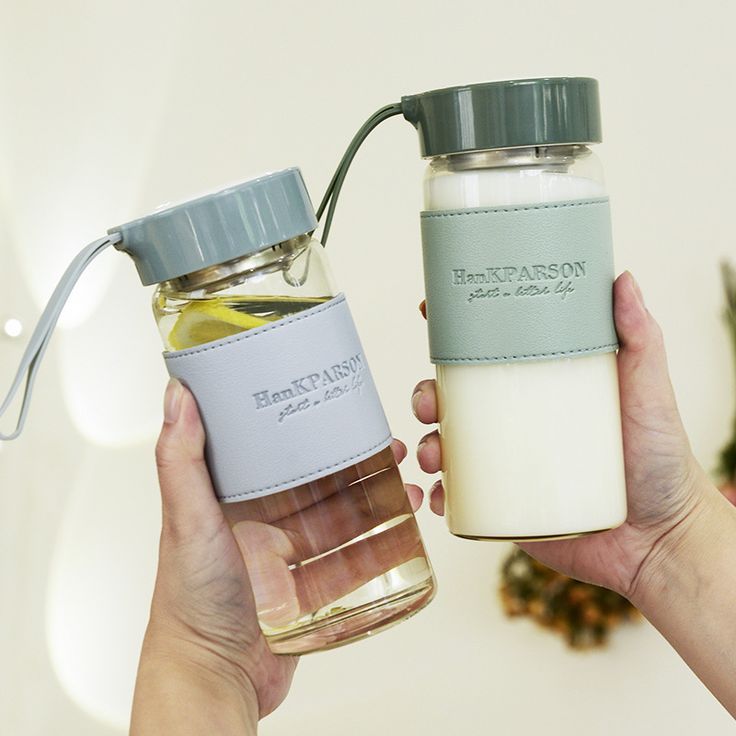
- Optical Clarity: It boasts exceptional transparency with zero greenish or cloudy tint, allowing the natural color of your fruit infusions or matcha to shine brilliantly.
Material Comparison Matrix
| Drinkware Material | Thermal Resistance | Taste Neutrality | Chemical Safety | Durability |
|---|---|---|---|---|
| Borosilicate Glass | Exceptional (-20°C to 150°C) | 100% Pure (Zero taste transfer) | Inert, BPA-free, zero leaching | High (impact-sensitive if dropped) |
| Regular Soda-Lime Glass | Moderate (Cannot take boiling water) | 100% Pure | Inert, safe | Moderate (susceptible to chipping) |
| Food-Grade Stainless Steel (18/8) | High (with double-wall vacuum) | Slight metallic aftertaste with acidic juices | Safe (if unlined) | Extremely High |
| BPA-Free Polycarbonate/Tritan | Low to Moderate (Degrades over time) | Absorbs odors and colors easily | BPA-free, but may contain other bisphenols | High shatterproof rating |
The Health Hazard of Plastic Leaching
Even plastics marketed as "BPA-free" often contain substitute bisphenols (such as BPS or BPF) or plasticizers that can migrate into beverages when exposed to sunlight, dishwashers, or acidic liquids like lemon water. Over time, plastic bottles develop microscopic scratches inside their walls, which harbor stubborn bacterial biofilms that dish soap cannot completely eradicate.
Glass is completely non-porous. Bacteria and mold cannot anchor themselves into its smooth surface. When cleaned, a glass vessel returns to 100% sterile neutrality, ensuring that your lemon detox water tastes purely of lemon, without lingering coffee or whey protein aromas from the previous day.
The Aesthetic & Sensory Factor
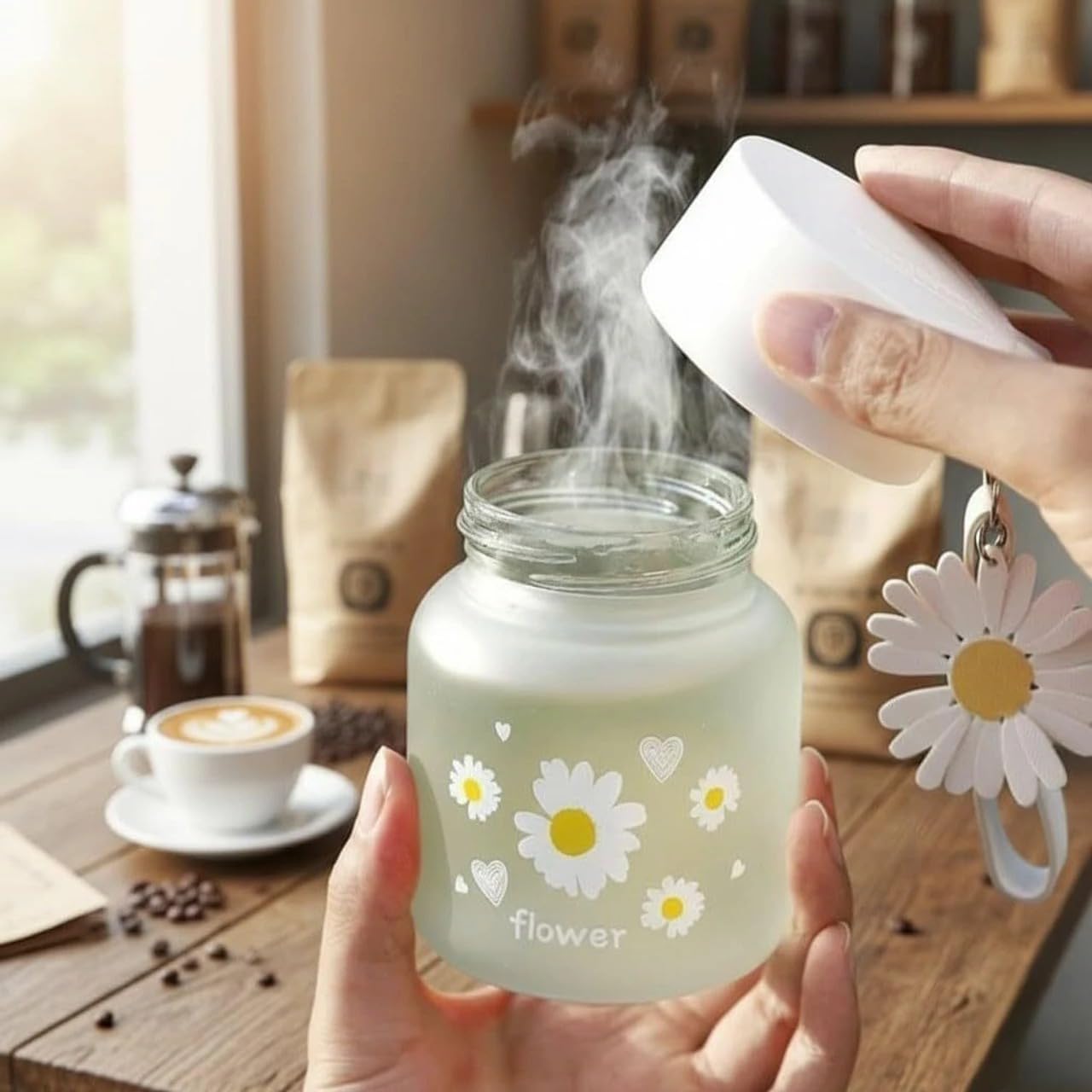
Beyond material science, there is an undeniable psychological joy in drinking from an aesthetically pleasing vessel. Holding a tactile, pearl-textured ceramic Moti mug or seeing fresh mint leaves floating inside a clear daisy glass bottle turns the routine task of drinking 8 glasses of water into a restorative sensory ritual.